





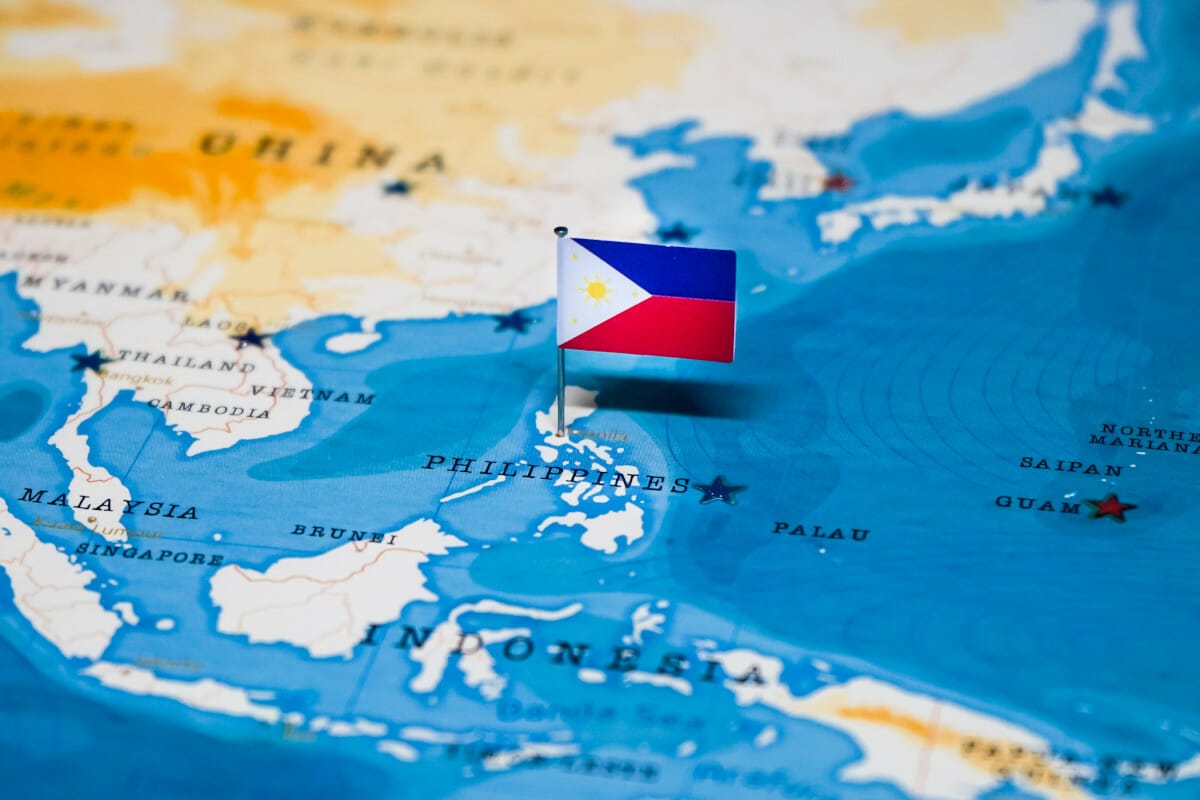
The Philippines’ archipelagic character lends itself to a range of cultures and customs because of its more than 7,000 islands. Nonetheless, many traditions bind these islands together. With such a rich history being ruled by Spain, the United States, the United Kingdom, and Japan, reasonable it is to say that the Filipino people have developed their own distinct personalities.
Here are five of the popular practices that demonstrate Philippine society’s fun and loving nature:
Bayanihan
Filipinos have experienced their fair share of natural disasters as a country prone to typhoons and volcano eruptions. Philippine culture is known for its resilience and light-heartedness, which is best shown during times of crisis. Simply said, it is the desire to assist as a community, operating under the acknowledgment of one another as “kapwa”. Virgilio Enriquez, the Father of Filipino Psychology, defines this as “shared identity” or “equal respect of other humans.”
Four-month Christmas
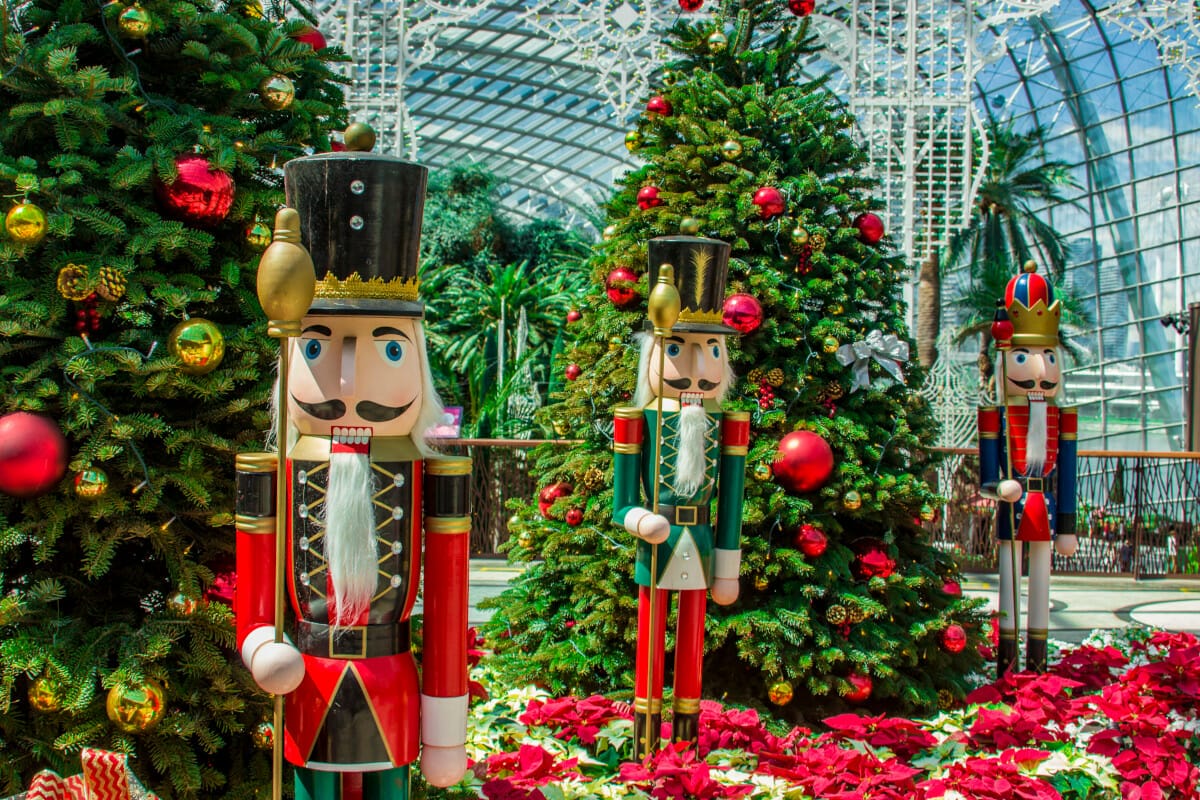
Given that the majority of the country is Christian, it is no surprise that Filipinos enjoy the holiday season. Decorating and music begin on September 1st and reach a fever pitch in the days leading up to December 24th. The festive season includes early-morning church, midnight dining, and meticulous gift-giving.
Competitive Karaoke

One of the few pleasures that is absolutely free is singing. Filipinos, who are often inherently musical, start karaoke from an early age. Karaoke machines may be found in Filipino homes all over the country, ready to brighten up any dinner party or random event. Families are likely to have a karaoke machine and many microphones, and you may even come across Karaoke kiosks in malls or arcades.
Street Parades
A substantial number of Filipino nationals identify as Christians, despite having been colonized by Spain for more than 300 years. Most provinces have a patron saint, who is honoured with fiestas or festivals. These vibrant celebrations frequently encompass entire municipalities or cities and can continue days or weeks in some cases. Schools and universities compete in elaborate costumes and planned dance routines at Filipino parades. These gatherings also serve as occasions for community building, boosting not only faith but also familial ties among the participants.
Filipinos Love to Eat

Although this is true of all cultures and countries, eating is undoubtedly the best way to reflect the cheerful Filipino personality. Most Filipino families like eating together as a family and bonding over a shared spread or the occasional drinking session. Filipinos enjoy large crowds, whether at work or at home. People lounging outside their houses in the evenings, enjoying a bottle or two, is a common sight in both urban and rural locations.