





Claimed to have spread through Hong Kong from northern Asia, this influenza outbreak was declared by the media as the worst pandemic ever in the Colony of Singapore history. The 1957 ‘Asian Flu’ was the second most major influenza pandemic in the 20th century resulting in estimated one to two million deaths worldwide and is generally considered to have been the least severe of the three influenza pandemics of the 20th century.

It was first reported in Singapore in February, before expanding its spread to China and surrounding Asian countries. Subsequently, a second pandemic wave was reported in the United States and United Kingdom, where infection rates and death numbers were devastating.
The outbreak officially evolved into an epidemic by 5 May 1957. In Singapore, number of patients peaked in May with 680 deaths in a population of 1,445,900.
In order to counter the influenza pandemic, the government focused their efforts on strengthening public health measures. This included closure of schools for almost 2 weeks advocating the public to stay away from crowded places with the slogan – “no movement of persons – no spread of influenza”.
At existing healthcare facilities, elective surgeries were reduced to allocate more manpower to manage the epidemic. Health clinics were also set up as treatment facilities in order to provide better medical care to patients.
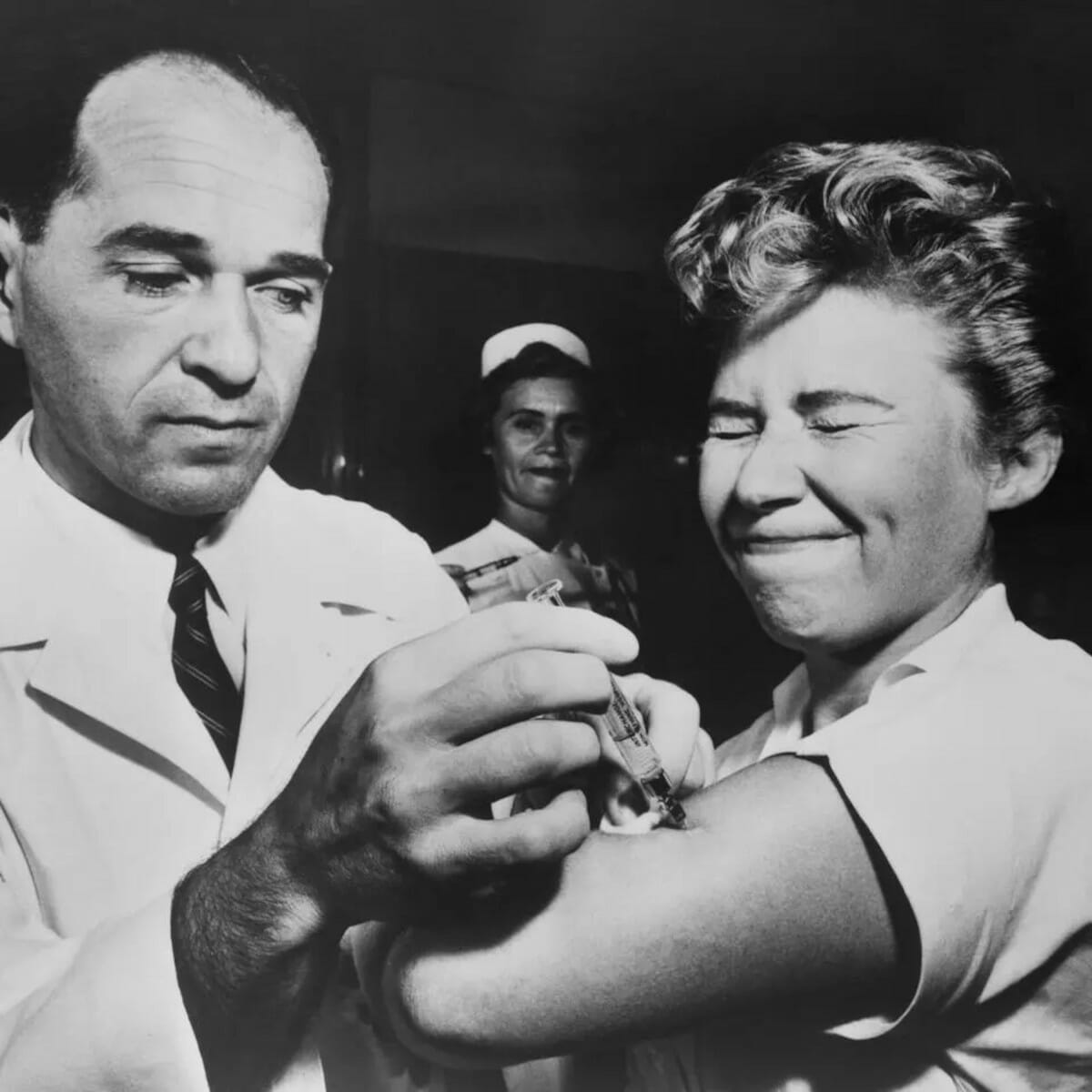
Fortunately, infection rates tapered off in late May due to rapid vaccine development and availability of antibiotics to treat secondary infections.