





Singapore, as an island surrounded by water, used to have a plethora of historic jetties and piers that were originally used for boat journeys to Malaya or between the islands. Seaside cottages and jetties were popular along Tanjong Katong’s coasts in the early twentieth century. Many of these outhouses were built for recreational or fishing purposes, but many were destroyed during WWII, and the remaining ones had to be demolished to make room for land reclamation in the 1970s. Here are the Singapore’s jetties and the history behind them.
Bedok Jetty
The 250-meter-long concrete jetty was originally Singapore’s longest public jetty until it was surpassed by the new Woodlands Waterfront Jetty. It is actually located at East Coast Park, near the East Coast Lagoon Food Village, despite its name. The jetty was built in the 1960s as a private dock for a local company called Yap Swee Hong, which was importing scrap metal from the United States. The Ministry of Defence (Mindef) then took over as a military facility for exercises and foreign humanitarian missions, including Operation Thunderstorm in 1975. Anglers, joggers, and bikers are all frequent now that the jetty is already open to the public.
Labrador Jetty
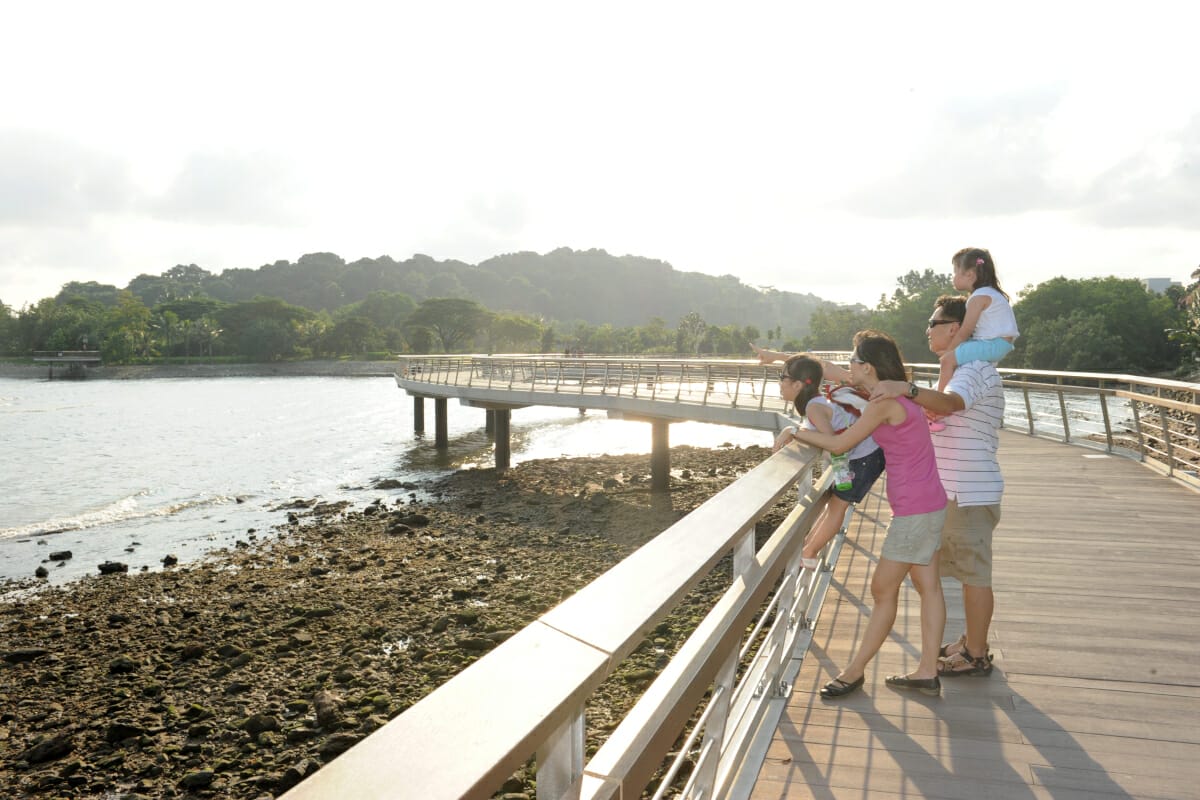
Labrador Park, part of the Southern Ridges, is home to Singapore’s only rocky sea cliff, which provides a panoramic view of the sea and cliff-side flora. Between 1962 and 1997, the jetty was used to transport liquid petroleum to and from an oil refinery in Tanjong Berlayer. After then, it became a popular destination for photographers and fishermen before closing in 2010. The hills at the park’s entry have been stabilized since its rehabilitation, and the jetty was reopened in 2016. Keep an eye on your step because the seafloor is still rocky. Because this section of the park stretches out into the sea, you may expect to see a variety of fish species, including the elusive cobia.
Lim Chu Kang Jetty
The date of construction of the wooden jetty is unknown, although it is most likely one of the earliest due to its rustic exteriors. The jetty is bustling with the loading and unloading of fish and other delicacies on a clear day. Its days may be numbered, though, as a new jetty for fish farmers is expected to be finished just a few hundred meters west by the end of the year. The jetty, which was made of wooden planks and pillars that reached 100 meters into the Johor Straits, has become synonymous with Old Singapore, attracting photographers for its rustic setting. But that does not mean it is open to the public; a no trespassing sign can be found near the entry site, and police coast guards are stationed nearby to keep an eye out for trespassers. Even though the jetty is out of bounds, the kelongs in the calm seas are still a sight to behold.
Pulau Ubin Jetty
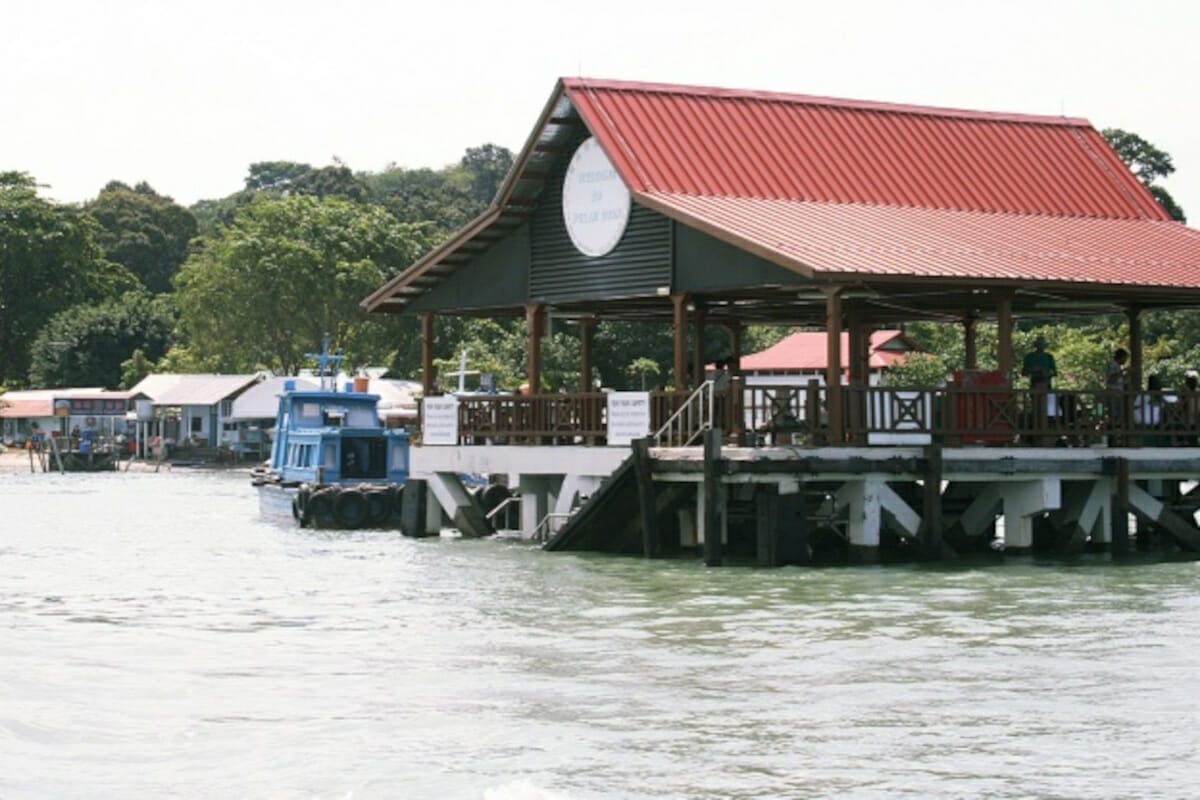
The Pulau Ubin Jetty was previously a wooden pier built during the Japanese Occupation to ease Japanese forces’ passage to and from the island. It was replaced by the concrete jetty we see today. The jetty was reconstructed and reopened in October 1965, just two months after Singapore attained independence, following the Occupation. It was remodelled again in 1978 before being upgraded in 1994 with a shelter and seating space. Residents and visitors can only disembark on the jetty after taking a bumboat ride across Serangoon Harbour from Changi Point Ferry Terminal.
Punggol Point Jetty
The Punggol Point Jetty was a little, peaceful jetty established in the 1930s for Malay fisherman and Chinese residents doing trading and wholesaling businesses in the region. The jetty was allegedly used to load and unload products for the now-closed private zoos. Today, it is a favourite fishing place for many people, owing to the neighbouring attractions such as a playground, lookout decks, and seafood restaurants. Expect to see grouper, barramundi, rabbitfish, and other fish if you park yourself along the jetty for a fishing session.
Sembawang Jetty
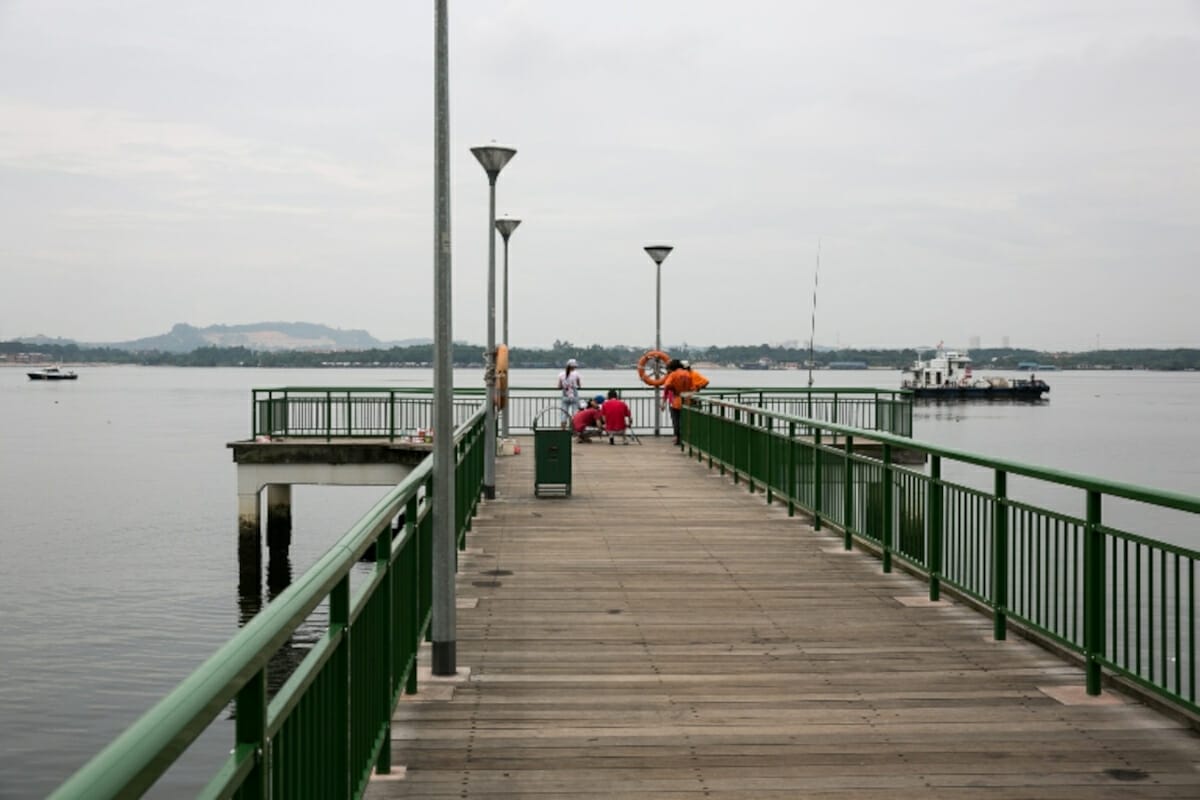
The simple wooden jetty, also known as Mata Jetty, was constructed in the 1940s and was used by British officers, notably Admiral Geoffrey Layton, the commander-in-chief of the China Station, who was residing at Beaulieu House, which sits on a ridge overlooking the jetty. The Beaulieu House is now Sembawang Seafood Paradise, a seafood restaurant. There used to be a network of roads leading to the jetty, but they were removed to make room for Sembawang Park’s development. As it was for the people of the still Kampong Wak Hassan, the jetty remains a favourite fishing and crabbing area.
Woodlands Waterfront Jetty
The 400-meter-long jetty, also known as the Former Royal Malaysian Navy (RMN) Jetty, is located within the RMN’s former naval station. It was initially used by the Royal Navy in 1966 for tasks such as commissioning new ships. The naval facility and jetty were kept disused when the RMN returned to Johor in 1981, until 1997, when Malaysia decided to relinquish the properties to Singapore. As part of Woodlands Waterfront Park, the jetty opened to the public in 2008 and underwent a makeover. Its original wooden planks were replaced by a concrete pathway and rows of streetlamps.