


Since its foundation, and even before that, Singapore has changed dramatically. Singapore has evolved from a basic trading port to a global business centre, as every Singaporean is aware. Its population has also increased significantly, and as cities grow larger and more developed, historic, and ancient structures are frequently demolished to make place for modern infrastructure.
Due to its relatively limited space, Singapore’s real estate is significantly more important than any other city. As a result, when a structure or location is no longer profitable or has become obsolete, it must be demolished. Perhaps it is just getting in the way of further positive things. In either case, it is possible that you will be devastated by the loss of some of your childhood memories. Here are five of Singapore’s forgotten locations, which have faded from history and now live only in our memory.
New World Amusement Park
The New World Amusement Park was one of the first night-time amusement parks in Singapore. Boxing fights, opera shows, and cabaret girls were among the entertainment options available at the park. Between 1923 to the 1960s, New World prospered under the management of the Shaw Organization. Following that, it faced tough competition from discos, shopping malls, and television. In April 1987, the amusement park closed its doors for the last time.
Great World Amusement Park

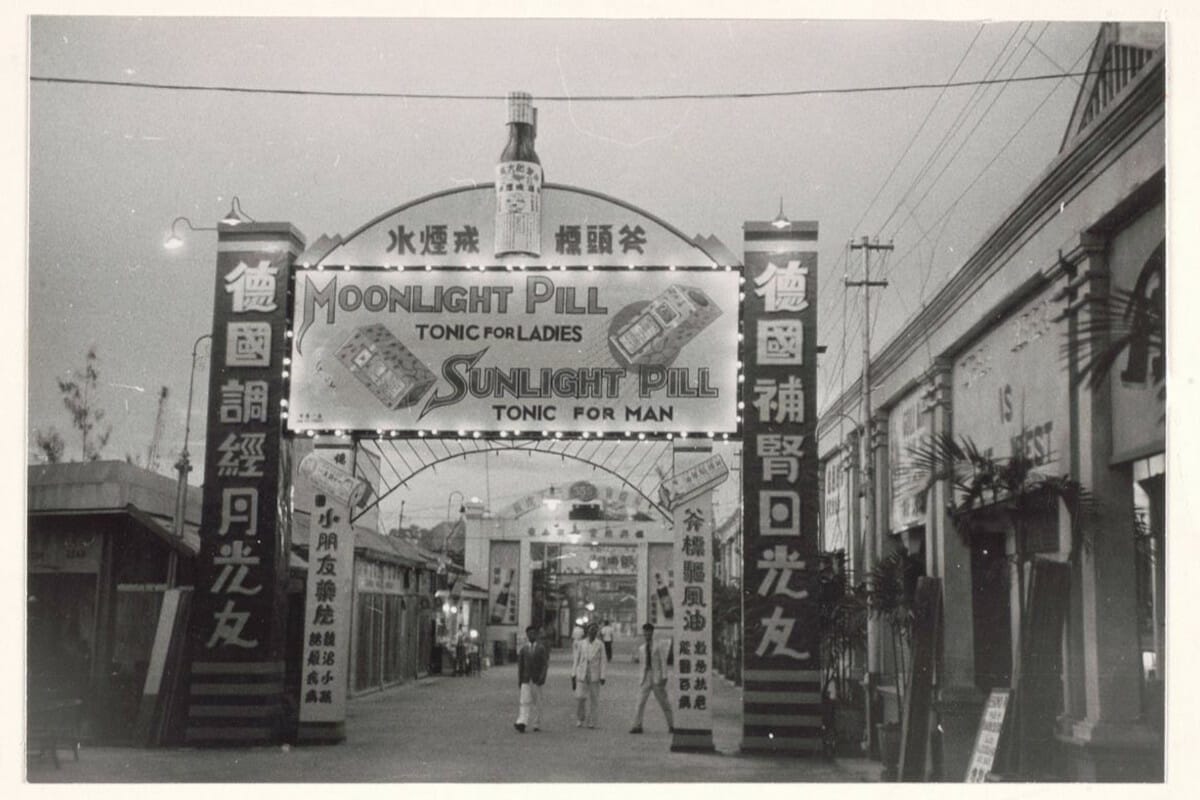
Following New World, Great World Amusement Park was Singapore’s second amusement park. The park, which was built in 1929 and was formerly a Chinese cemetery, was locally known as “Tua Seh Kai” in Hokkien. The park’s redevelopment resulted in a slew of new attractions. They had a fun fair, a nightclub called Flamingo, and a well-known Cantonese restaurant called Wing Choon Yuen, which has since been renamed Spring Court.
Gay World

Gay World, formerly known as Happy World, was Singapore’s third theme park. The $350,000 park was established in 1936 by George Lee Geok Eng, the brother of philanthropist Lee Kong Chian. There was a decent mix of Eastern and Western nightlife activities in the park. For example, they offered ronggeng, a traditional Javanese dance performance, as well as movies, arcades, games, cultural performances, cabaret shows, and much more. Despite the fact that the location was popular with couples from the 1950s through the 1970s, it was unable to reclaim tourists in 1987, even after making admission free. The park gradually deteriorated, and in 2000, Eng Wah discontinued the park’s lease, and it was demolished a year later.
Fantasy Island
During the 1990s, Fantasy Island is a famous water theme park. It was built for $54 million and operated from December 1994 to November 2002. The park was well-known for its eight-lane side and the water currents were so strong that they lifted people into the air for a brief moment. The park, on the other hand, was demolished for two main reasons. To begin, Fantasy Island imposed a mandatory price to access Sentosa, as well as its own admission fee. Second, it was difficult for people to drop by because there were few buses that went to Sentosa at the time. The park was quickly shut down when the media reported on several accidents, including the deaths of two persons at the amusement park.
Van Kleef Aquarium

Van Kleef Aquarium, which opened in September 1955, was a well-built oceanarium. It was named after Karl Willem Benjamin Van Kleef, a Dutchman who lived in Singapore in the early 1900s. Following his death, Van Kleef donated all of his wealth to the Singaporean government. The money was supposed to be spent on improving the town. 6,500 aquatic animals from 180 different species were accommodated at Van Kleef’s. Many people, however, decided to visit the Underwater World after it opened in 1991. The oceanarium eventually closed in the same year and was demolished in 1996.


