

Singapore is an island with a rich history that includes war, structures created by the wealthy and later abandoned, and empty estates. As a result, we have a large number of very ancient buildings and estates that have been the breeding ground for horror stories, paranormal investigations, and the location for many a local horror film over the years.
Singapore has a history for being haunted, whether you believe it or not and it is difficult to shake off the ghost stories, unexplained sightings, and urban legends that surround certain places. If you like unusual things, these five haunted locations in Singapore are perfect for ghost hunting.
Bedok Reservoir
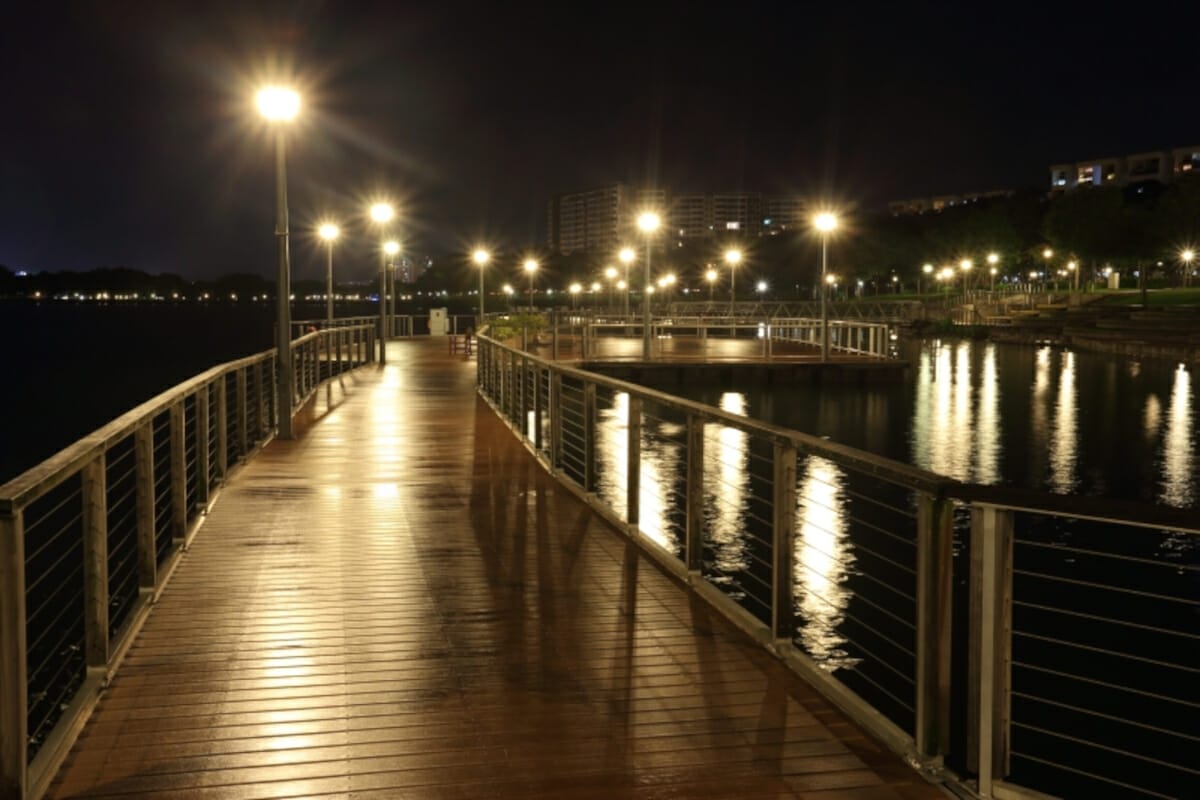
Bedok Reservoir has gained attention in recent years as a result of a number of suicide instances that occurred there, particularly between 2011 and 2012. In fact, to cleanse the land, the government held an interfaith blessing ritual. Eight religious representatives representing various faiths took turns blessing the region. Unfortunately, a sixth body was discovered the morning of the blessing ritual. Around the area today, there are signs displaying the phone numbers of 24-hour crisis hotlines.
Old Changi Hospital

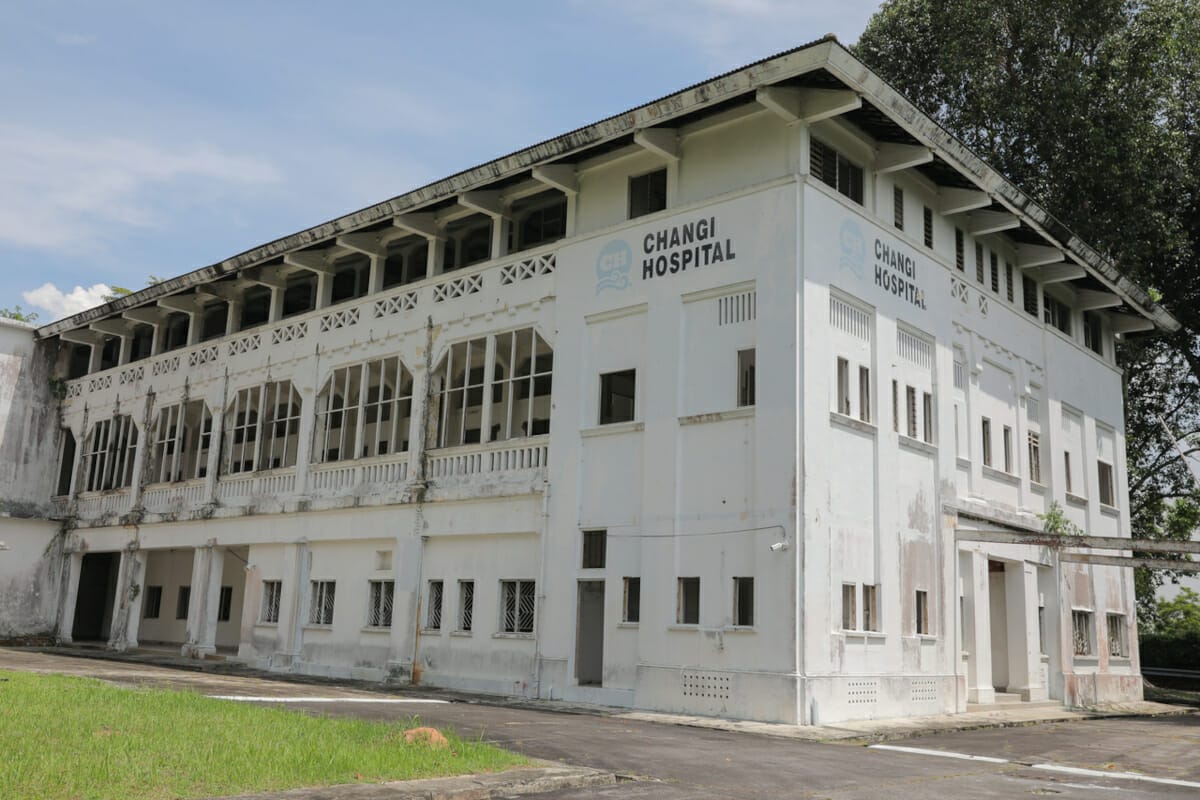
Changi Hospital is perhaps the first location that comes to mind when you think of haunted places in Singapore. It is said to be Singapore’s most haunted spot, with paranormal investigators recording “shadow people” on camera, as well as sightings of WWII troops, young boys, security guards, loud noises, and banging. The abandoned colonial-style structure is not for the faint-hearted. The hospital was built to help British forces, but it was later used by Japanese troops to house prisoners of war. Those inmates’ shouts and moans may still be heard. As punishments, former soldiers were made to march through the area at night, according to a former soldier.
Neo Tiew Estate
Neo Tiew Estate, an abandoned HDB estate in Lim Chu Kang, is one of the many reportedly haunted locales in the “ulu” area. Female banana tree spirits or pontianak, have been reported to appear outside apartment windows looking for victims to mutilate and consume, according to residents. Another urban legend claims that taxi drivers in the region pick up ladies dressed in white or red who then request a ride to the neighbouring Lim Chu Kang Cemetery. When the drivers arrive, they discover that they have been paid in “hell notes.” Currently, it is not open to the public because it is now being used by the SAF for Urban Warfare Training.
Pasir Ris Tower

The Pasir Ris Bird-Watching Tower, sometimes known as the “Suicide Tower,” is a three-story tower near Pasir Ris Beach. It is an ordinary, peaceful bird-watching tower during the day, but things start to become creepy at night. The “Suicide Tower” is said to have gotten its name from a kid with a third eye who could see spirits, according to urban legend. He noticed something in the tower and informed his friends, motivating them to ride their bikes to the tower at night. He ran up the tower and jumped down while his friends rested below. He told his friends in his final breaths that there were entities in the tower who pushed him off.
The Matilda House

The Matilda House is one of three famous haunted coloured houses. This six-bedroom, single-storey home in Punggol, often known Istana Menanti and The Waiting Palace or Ghost House has a long history. Alexander Cashin built it in 1902 as a gift to his wife and named it after his mother. The mansion was used as a weekend retreat for the Cashin family. It was passed down from generation to generation for decades before the government purchased the site in 1985 for residential construction. The house could not be demolished with paranormal forces at work, according to legend. So it remained for decades, deteriorating with the passage of time until it was turned into a clubhouse for the condominium, A Treasure Trove.


